If you look at traditional Indian cooking regionally — across Maharashtra, Gujarat, Tamil Nadu, Bengal — one pattern emerges clearly: the kitchen calendar was aligned with the agricultural calendar. What was grown in a season was also eaten in that season, prepared in ways that matched what the body needed in that weather.
The Summer Kitchen
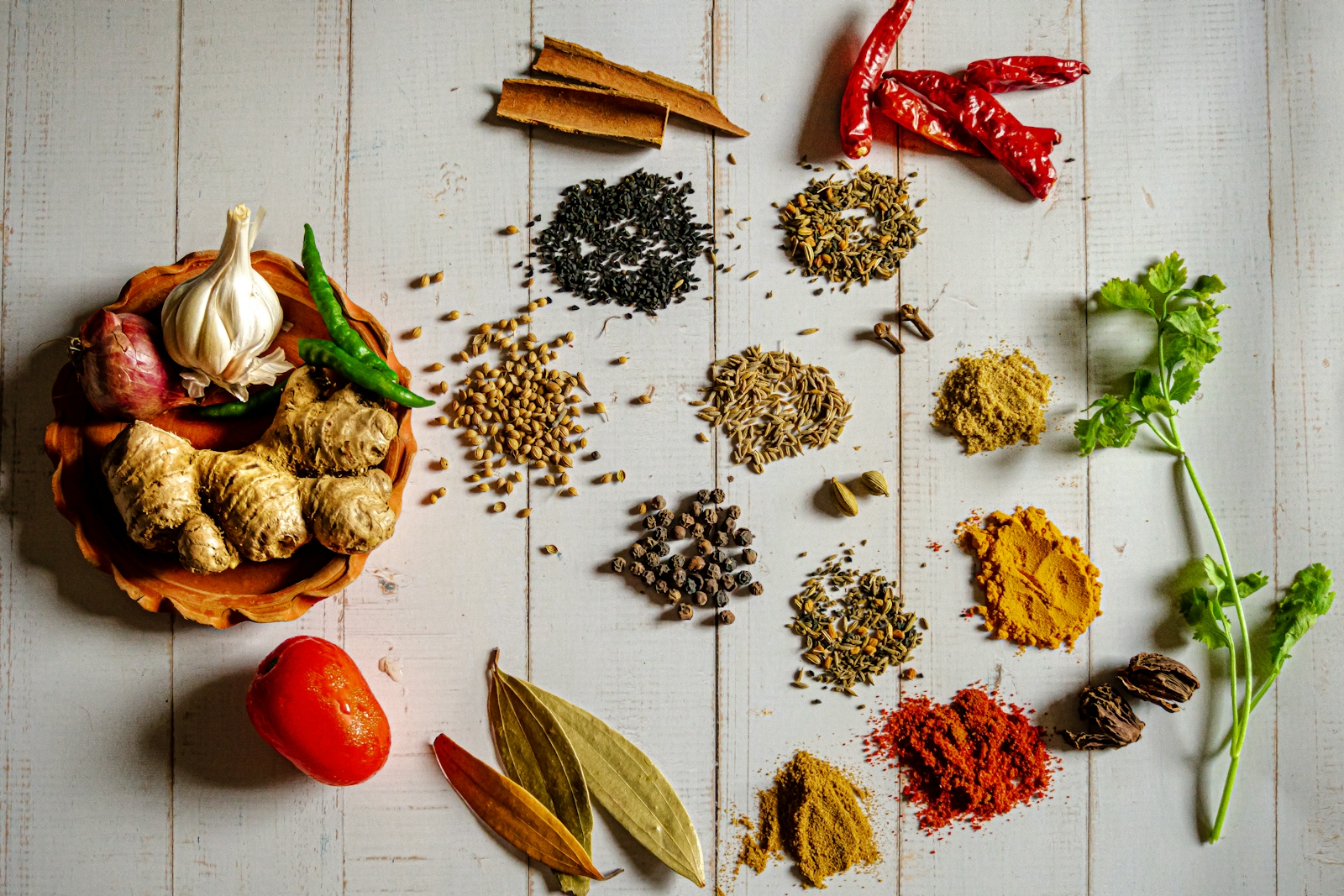
In the hottest months, traditional Indian cooking leaned heavily on cooling ingredients. Coriander — both leaves and seeds — was used generously. Ghee was taken in small quantities as a digestive lubricant. Foods were lighter, more easily digestible, prepared with less oil and fewer complex spice combinations.
"My grandmother would say the body is smarter than any doctor. Feed it what the season gives you, prepared the way the season demands, and it will take care of itself."
The Monsoon Kitchen
The monsoon is when the gut is most vulnerable. Traditional wisdom called for digestive spices — turmeric, ginger, cumin, coriander — in greater quantities. Fermented foods were common. Heavy, hard-to-digest foods were avoided. This is not folklore; it reflects a sophisticated understanding of how the digestive microbiome responds to humidity and temperature changes.
The Winter Kitchen
Winter is when ghee truly comes into its own. Fat-soluble vitamins from ghee support immunity. The high caloric density of ghee and whole grain atta provides sustained warmth. Traditional winter preparations — til (sesame) ladoos, gajar (carrot) halwa cooked in ghee, khichdi with ghee — are nutritional powerhouses aligned with what the body needs when temperatures drop.
How to Start Eating Seasonally Today
- Visit a local vegetable market — what's plentiful and cheap is what's in season
- Cook with ghee in winter for warmth and fat-soluble vitamins
- Use coriander and cooling spices more freely in summer
- Load up on turmeric and ginger through monsoon season
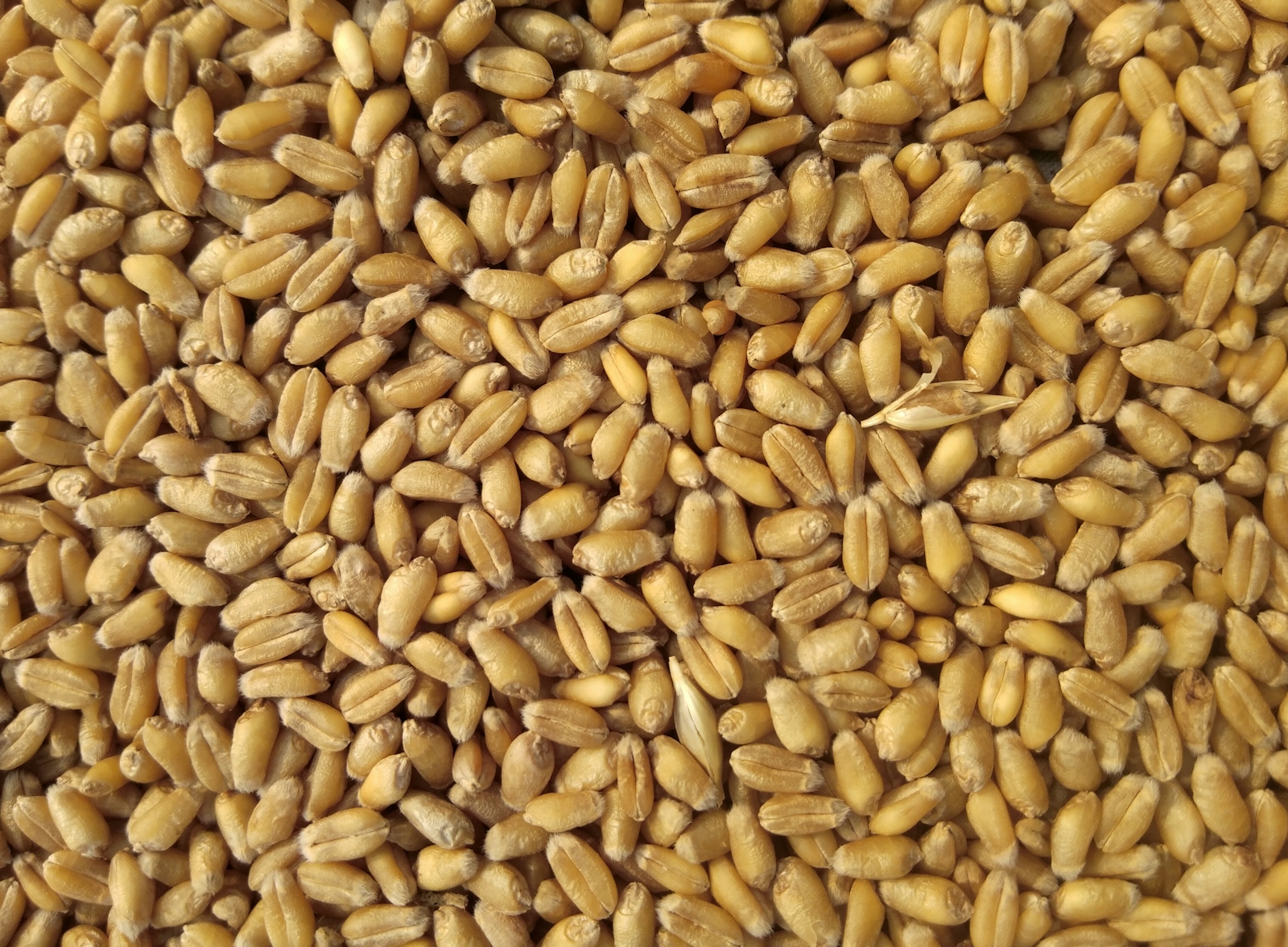
- Eat Khapli atta rotis year-round — their low GI makes them a stable anchor regardless of season
The wisdom of seasonal Indian cooking didn't emerge from theory. It was developed through thousands of years of lived experience, passed from hand to hand through kitchens across the subcontinent. The modern kitchen has much to learn from it.