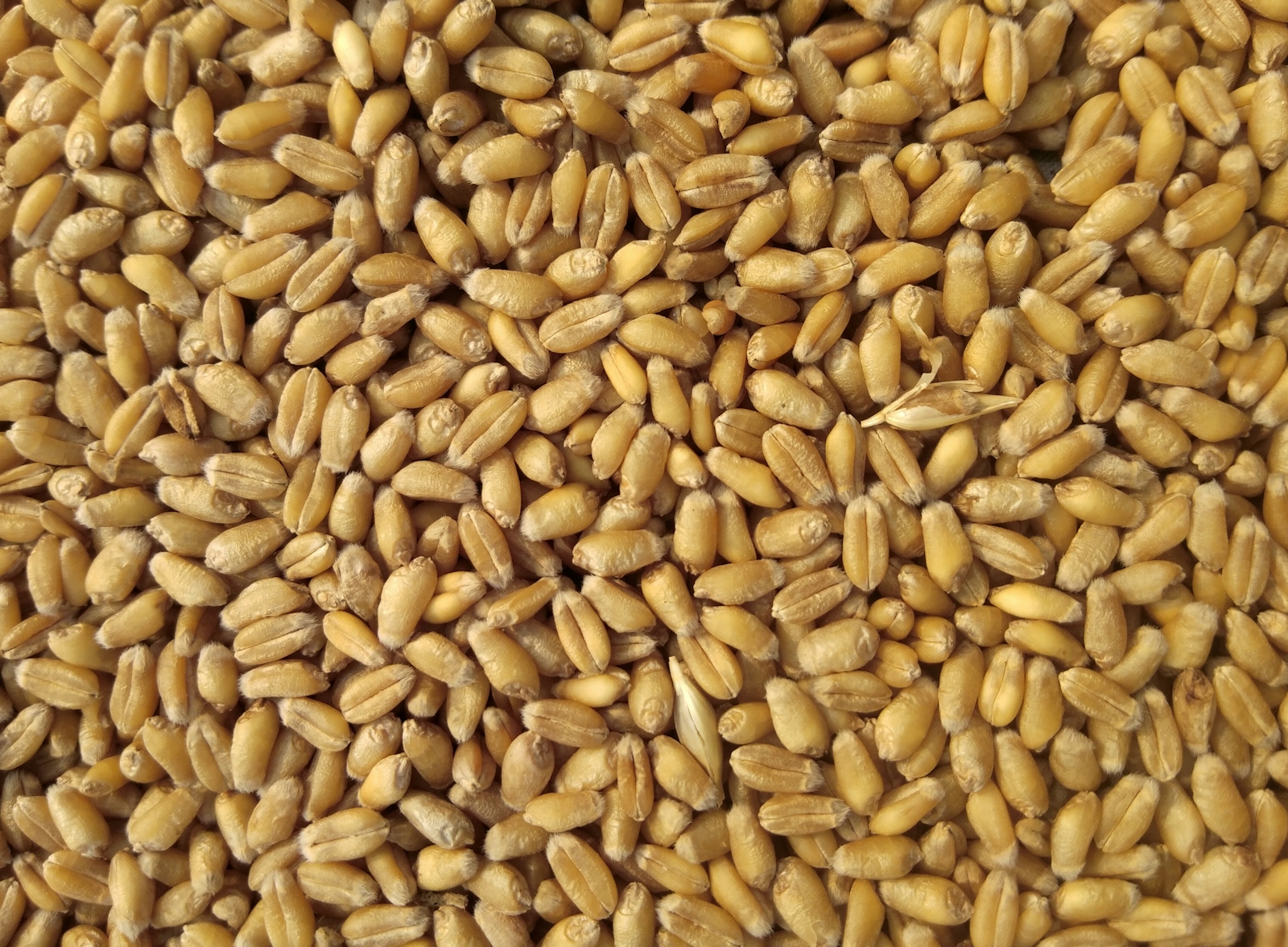
Before the Green Revolution swept through Indian agriculture in the 1960s, most Indian families ate wheat that looked very different from what fills our atta bags today. Emmer wheat — called Khapli or Dicoccum wheat — was a staple across the Deccan plateau for thousands of years. Then modern high-yield varieties pushed it nearly to extinction.
What Makes Khapli Different
Modern wheat has been extensively bred for high yield and easy milling. The trade-off has been nutritional. Khapli (Triticum dicoccum) is an ancient hulled wheat with a fundamentally different nutritional profile.
"Our grandparents ate Khapli rotis, worked hard physical labour, and many lived into their 80s and 90s without diabetes. The grain they ate deserves serious attention."

The Science of Lower GI
Glycemic Index (GI) measures how quickly a food raises blood sugar. Modern wheat atta has a GI of approximately 70–80. Khapli wheat typically registers between 40–55 — significantly lower. This slower glucose release is particularly beneficial for people managing diabetes.
Nutritional Advantages
- Higher protein content than modern wheat (15–18% vs 10–12%)
- Higher dietary fibre for digestive health
- Naturally lower gluten for easier digestion
- Rich in magnesium, zinc, and B vitamins
- Better water absorption — rotis stay soft longer
Uma Farms sources Khapli wheat from small farmers in Maharashtra who continue traditional cultivation practices. We stone-mill it fresh, retaining the bran, germ, and endosperm that refined milling discards.